How to Order A Martini
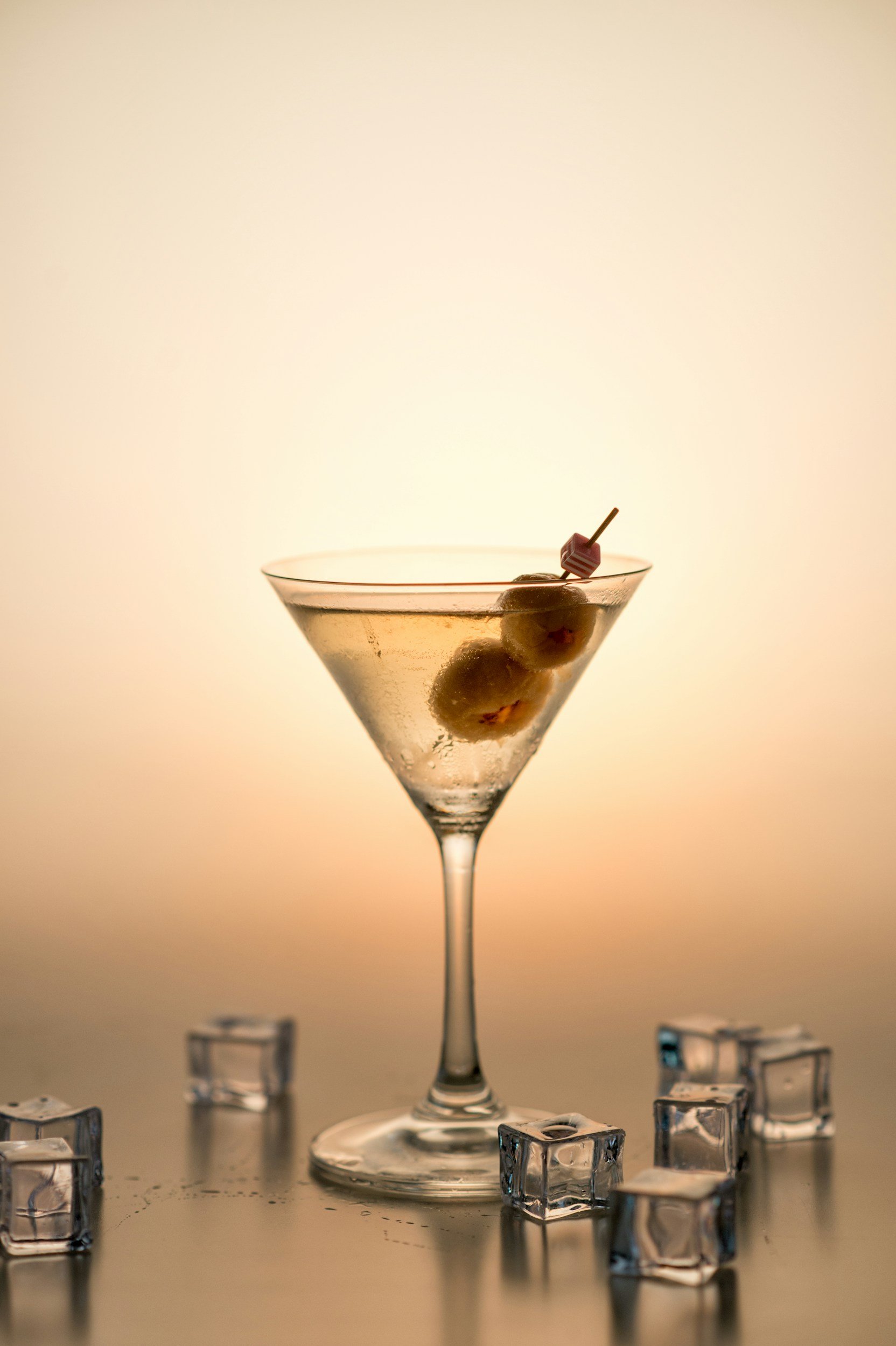
The glass really does make the whole thing
A quick note before we dive in… not all bars are created equal. Check out This Post Here on the different types of bars and what you should expect and/or order from them. I would not order a martini at a Dive Bar or Club. Dive Bar, I may order one if I know the bartender and know they are good at making them. At the Club I wouldn’t order one because that’s a weird environment, it probably won’t be good, and anyone would spill that immediately.
Because Martinis have a lot of options, here is a quick peek at what kind of questions your bartenders will need to know the answer to… Vodka or Gin? Vermouth? Sweet or Dry? Shaken or Stirred? Up or Down? Bitters? Garnishes? It seems like a lot, but don’t worry. You’ll sound like a spy in no time.
Vodka or Gin?
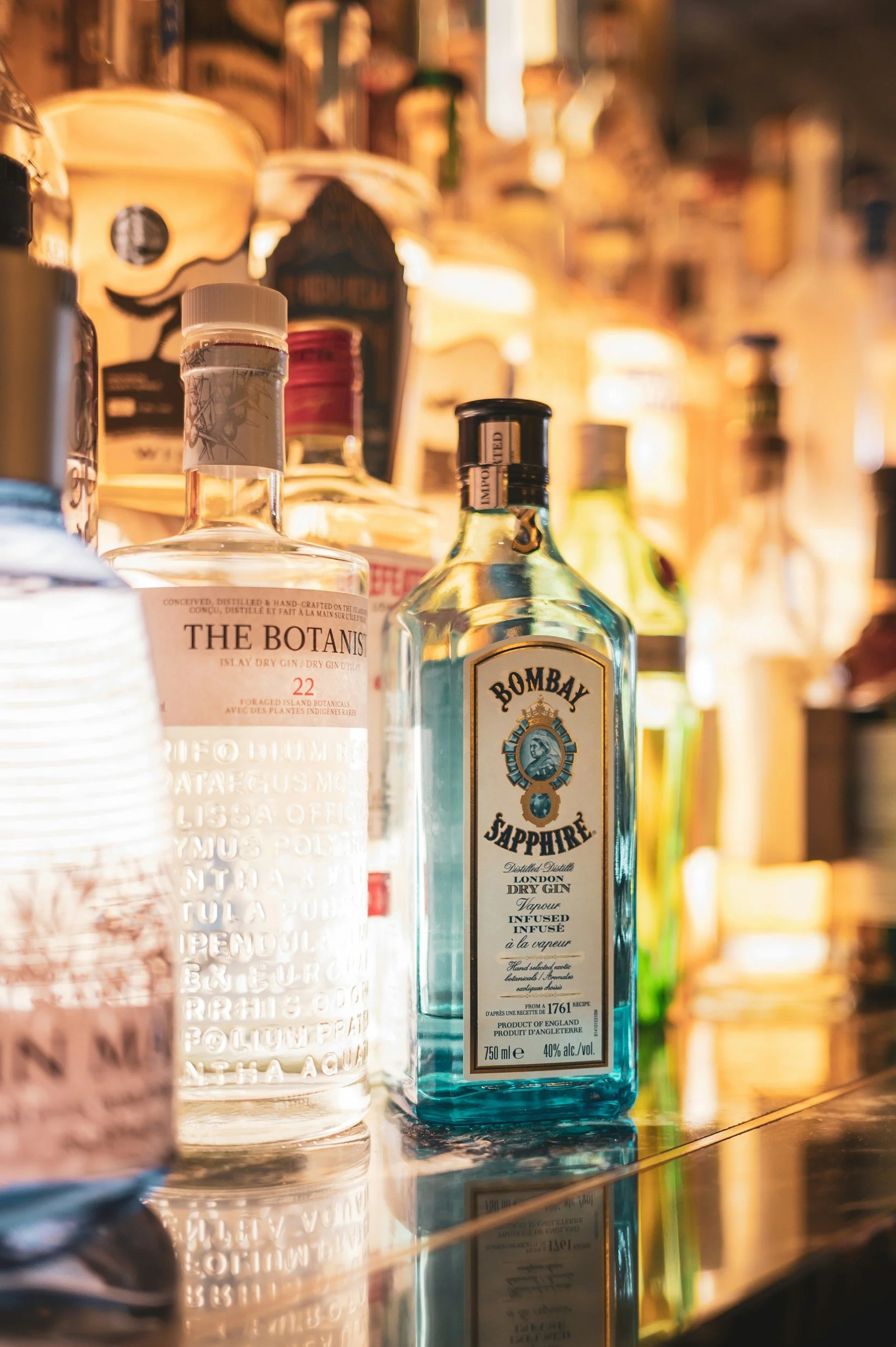
This is a simple enough question for most people, at least here in the United States where Vodka is infinitely more popular than Gin.
For those who have strong opinions about such things, they almost certainly know which Vodka they prefer. I encourage people to keep an open mind since vodka can be a great deal more complex than Americans typically believe. There are some more details on This Blog Post, but basically, the Odorless, Flavorless spirit that we think of is an American creation. It’s supposed to have flavor and different types of Vodka can change your martini dramatically.
As for Gin, I think there might be some sort of monster running around telling people to do shots of Tanqueray on their 21st birthday, since it’s a tale I’ve heard entirely too many times when trying to gin in the past. Every single gin on the market is different. Every Single One. I get into the differences in This Post Here, but if you are just dipping your toes in the water, ask your bartender for recommendations. If they don’t have one, start with Hendricks or Citadelle which are a little more beginner friendly.
No matter what your choice, this question is entirely a matter of taste. Don’t hesitate to ask your bartender for assistance if you are at a loss here. They are, at a minimum, familiar with the best-selling spirits and can sometimes be deeply knowledgeable about the products and flavors you are trying.
Vermouth??

Full Size because I like it
Is It expired?
Sweet or Dry? How much? What Brand?? There are so many question to be asked about vermouth but let’s start out with: Is it expired? Depending on the bar, it almost certainly is. It’s also probably stored incorrectly, thus lending to it going bad much faster. Vermouth is fortifiedwine, which means it is higher in strength and has additional spices and flavorings. It is though, still a wine base and therefore will oxidize and go bad the same way a wine would. It takes a little bit longer to do so but is generally going to be bad from about 1-2 months after opening. This is rapidly accelerated by big changes in temperature, such as storing a bottle in the cooler overnight and taking it out every day (as we did at my last bar). Considering that the bottle we had was replaced once in my 1.5 year tenure behind the bar, it was well and truly bad. I don’t begrudge bartenders or restaurants this, primarily since most of them don’t actually know what vermouth is, much less have a strong opinion on it, much less a strong enough opinion to make sure it’s always kept properly.
Sweet or Dry?
So let’s assume that your bar has a fresh bottle of vermouth, just for you. Now, do you want Sweet Italian Vermouth or Dry French Vermouth? I strongly recommend trying each one by itself, just a little sip. Vermouth falls squarely into the category of “things people don’t try but assume they hate”. Personally, I like drinking either just by itself. I cannot describe to you the flavor of vermouth because it is, in my mind, an experience more than a flavor.
When I sip on Sweet Vermouth I suddenly find myself transported to the Italian countryside on a warm spring day, sitting next to the vines, listening to the bees buzz and watching my husband labor in the fresh sun (spoiler alert: he’s shirtless).
A small glass of Dry Vermouth finds me in a quaint Parisian café, next to a bustling street as the waiter describes our lunch in words I can’t understand but find tantalizing nonetheless.
Once you have decided which vermouth you prefer, if any, then you can decide how much you want in your Martini.
Love One?
“Classic Martini”
2:1 ratio of Spirit to Vermouth
Like Both?
“Perfect martini”
½ sweet and ½ dry vermouth with your Gin or Vodka.
Hated Both?
“Extra Dry”
No Vermouth
Unsure?
“Dry”
Rinse of Vermouth
Once you have decided which ratio you prefer then you can begin trying various brands. It has been my experience that only the most dedicated of cocktail bars stock various brands of vermouth and ensure that they are kept properly. It is also worth searching for bars which are known for their martinis in your area, as there are often gentleman’s clubs, or older establishments which do exquisite martinis but are not well regarded for their other cocktails.
Shaken or Stirred?

Seeing the frost makes it taste better
This question is simply a matter of technique. When you shake a drink, it will get colder faster which makes it good for working in fast paced bars. It will also, unfortunately, leave small ice chips in the drink once strained which clouds the drink and potentially ruins the presentation.
When stirred, the drink can get just as cold but it will take longer. This method leaves the martini blissfully clear and makes for excellent presentation, if you care.
Traditionally, any drink that involves all clear ingredients should be stirred in order to maintain that elegance. If you care about clarity, ask for it stirred and if you prefer it colder and don’t care what it looks like, then ask for it shaken. If you opt for a “Dirty” martini (one containing olive juice), then disregard all arguments and have it shaken since it’s already going to have a clouded look.
Personally, I am in the 'stirring' category, since I believe that in a drink as structurally simple as the martini, the art is in the ritual of the making. Also it looks good, especially if you have the right set of tools.
“Up” or “Down”?

Can you figure out which one is “Up”?
Up refers to being served in a chilled martini glass. This is the traditional serving method and is visually more appealing, though not always the best option. If I were drinking in a potentially precarious situation, such as a pool party or crowded bar, I would probably get my martini “down”, so there’s no chance of spillage or broken glass.
As a follow up question, you have to decide whether or not you would like rocks (ice) in your martini if you have it Down. There are a few things to consider when adding ice to this drink. The first is that part of the fun of a Martini is that it does change as it warms up. Different flavors come out and it changes the experience. When you add ice, not only do you stop that experience, but the drink slowly gets watered down as you drink. On the other hand, if you’re not much of a drinker, it can taste very alcoholic and strong, which can be hard. Keeping the drink very cold helps it go down easier if you’re inexperienced. Also, if it’s hot as hell out sometimes I add ice because otherwise it gets warm way too fast.
Bitters?
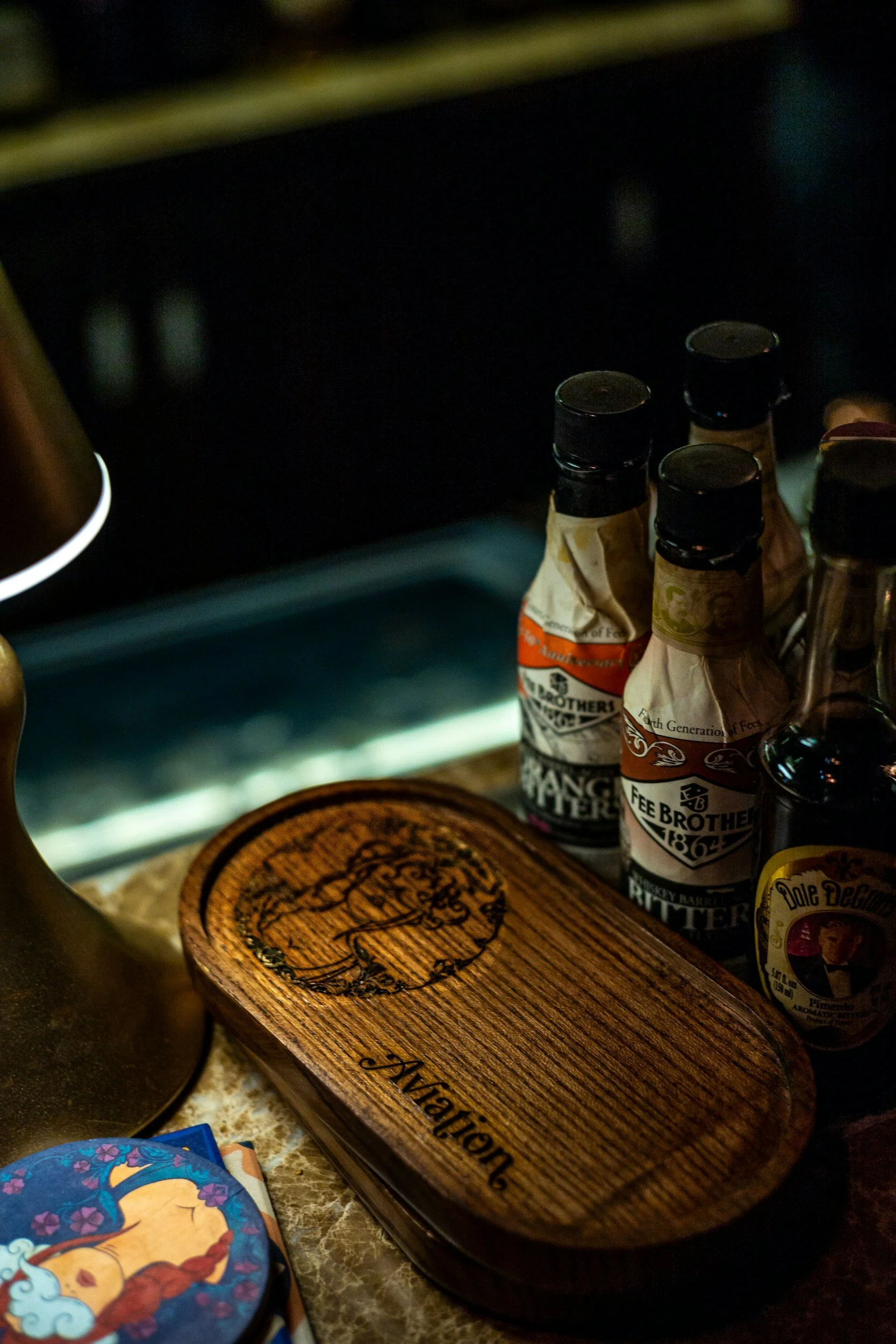
Traditionally there are two types of bitters that can be used in a martini: Aromatic or Orange. These too, I encourage people to try on their own to know how they affect the flavor of the drink. Aromatic bitters tend to be significantly more bitter and complex, while Orange bitters tend to have an overwhelmingly orange profile with some complexity and depth behind it. My palette tends to lean more sweet and more citrusy so I prefer orange bitters. People who are accustomed to more bitter flavors (Manhattan lovers and beer drinkers) might prefer Aromatic. This is probably one of those preferences that you might change depending on the day. There is also a wide realm of other fun bitters to try from chocolate to chiles to plums. Once you’ve determined your taste in other martini factors, feel free to experiment with these interesting new additions.
I wouldn’t expect them in a restaurants’ martini unless you ask otherwise though.
Garnishes?
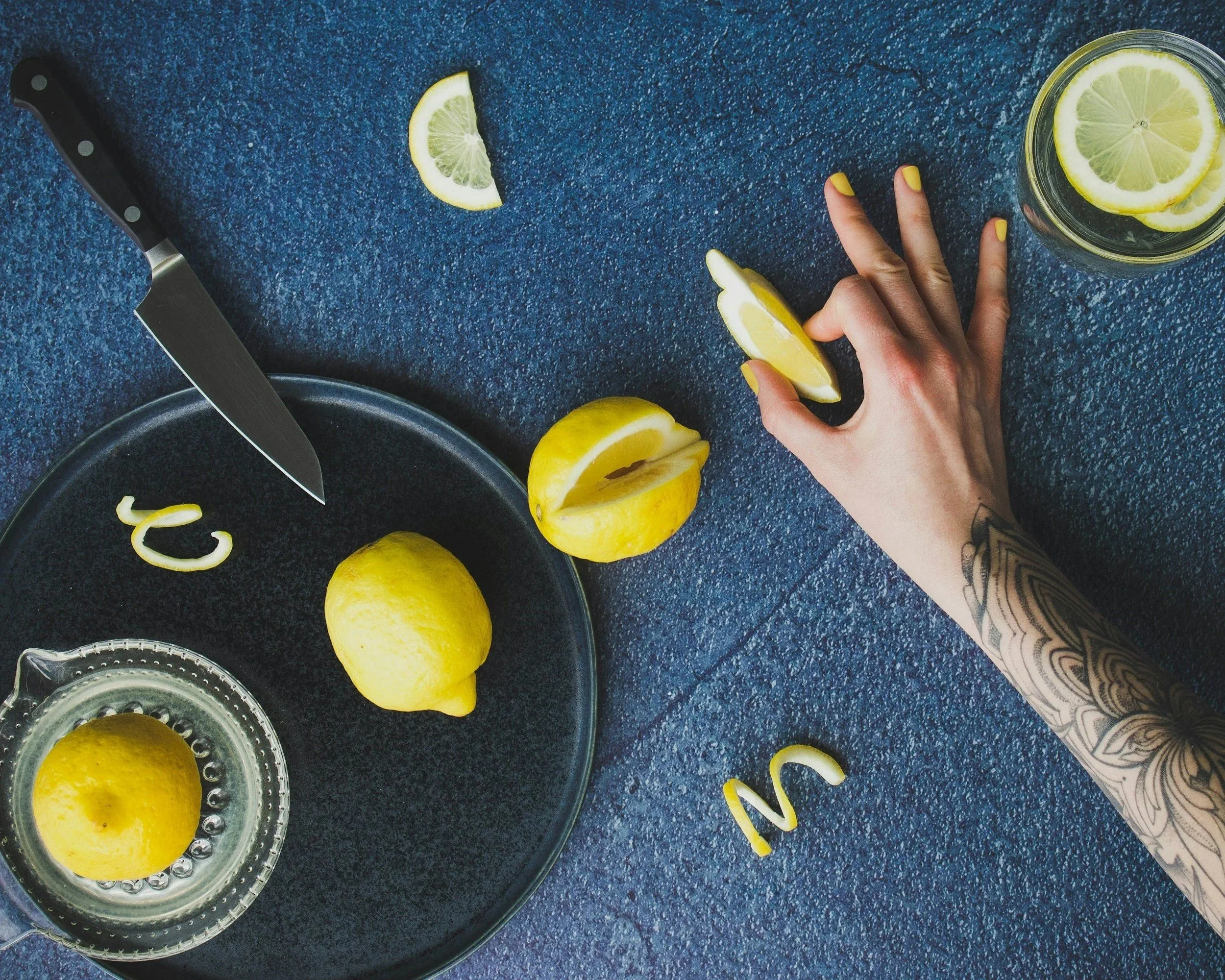
I can smell this picture
Now that you actually have made the drink, you must decide what your preferred garnish is? This too is entirely a matter of taste, but it can also strongly depend on which gin or vodka you happen to be using. Typically you would choose between lemon peel, olives, orange peel, or a cocktail onion.
Lemon & Orange Peels
When you are using peels, the way in which you use them is also important. For example: I love a lot of citrus flavor, so when I make myself a vodka martini, I express the lemon peels essential oils over my chilled glass before stirring it in with the drink. Once I've strained the martini, I fish it out and re-express it before dropping it in. This will give you a lot of fresh lemon flavor on the nose, which will effect the way you perceive the taste. I do the same with orange peel in my gin martini (the gin from my distillery pairs exceptionally well with orange). Some people do the expression only at the end of the process, meaning that the oils are layered on top of the beverage. Some stir the peel in so that the oils are part of the drinks flavor as well. Any of these are acceptable.
Olives & Onions
Olives and cocktail onions bring a different element to the drink. Obviously, you must like either olives or onions to have them in your drink, but unless you eat them outright, they can add another dimension most people don't think about: Salt. The salty brine these are kept in can greatly enhance the character of the drink, without adding too much of their own flavor. A small amount of salt chemically enhances the way your taste buds perceive things, so in any cocktail it is a welcome addition. In a drink so delicate as a Martini, enhancing flavors is a pretty big job.
Mix It Up
When beginning to branch out and create martinis "with a twist", this is a great place to start. Choosing a garnish that better accentuates the flavors of your gin or vodka is a common choice. Cucumber peels or wheels with Hendricks? Grapefruit peel? Kiwi and other fruits? Edible flowers are also my current obsession and bring a fragrant change to an old classic.
Cold, hard Recipes
Okay, so now you know exactly how to order what you want! …But what if what you want is an easy recipe to follow? For drinks that are already named? Well, that’s a different post. Check out the post below for common martini variations and their full legal names as well as recognized recipes.

Give it the Old College Click
That’s it for us today! If you want to learn more, check out the blog posts below or head over to Patreon for exclusive content and the ability to send me questions and ideas for posts! Keep an eye out for How to Be 21, to be published in 2027!