Bartending Tools - 8 Must Have Pieces For home
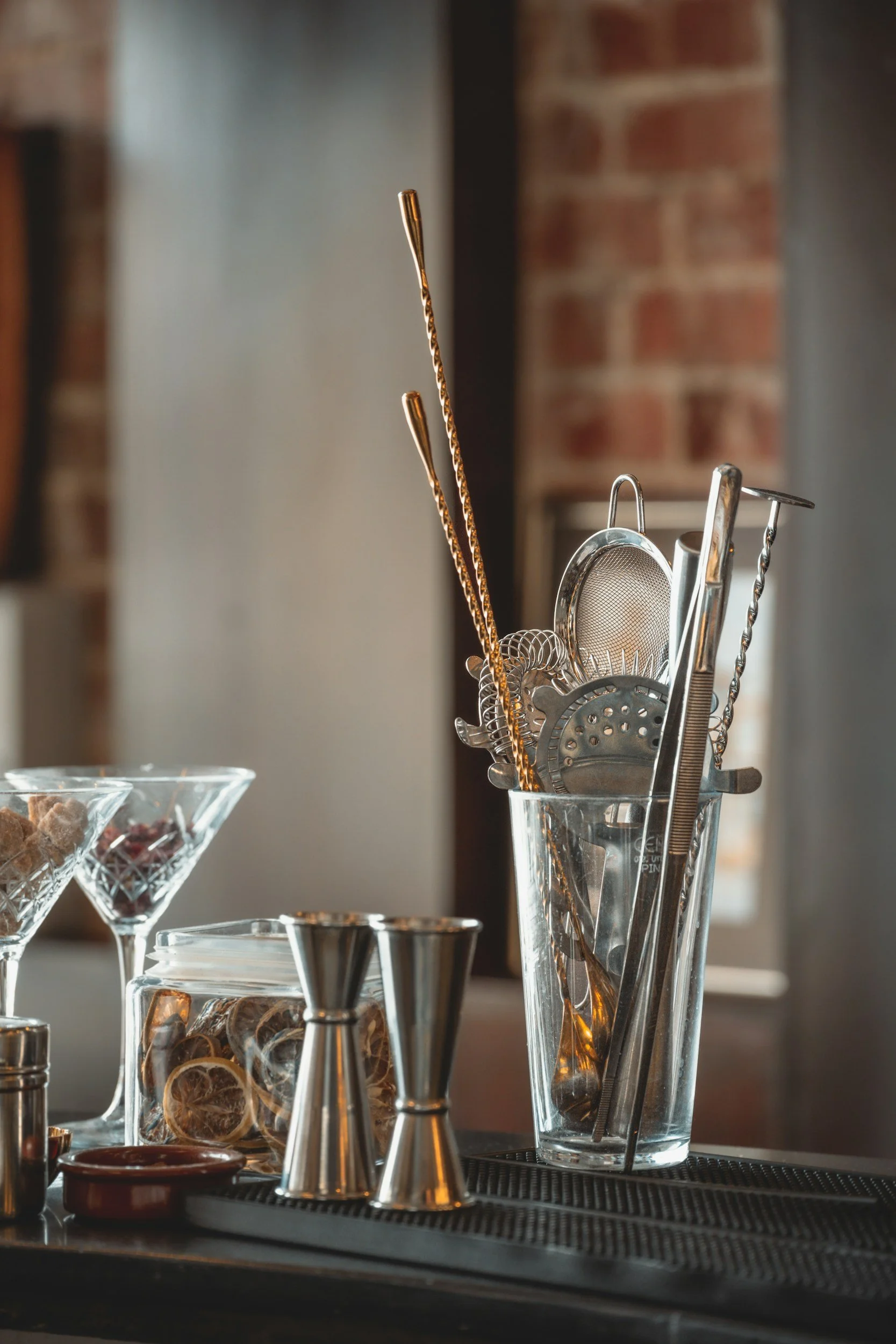
Maybe you’re getting into bartending, maybe you just want to have the best house around for throwing a party. Either way, you’ll be looking for a bar kit. My advice? Don’t bother with any pre-made kits. Unless it’s really expensive, the quality is garbage and you have extra tools you will never, ever use. Instead, for less than $50 you can get everything you need and they be the same equipment the restaurants are actually using.
Boston Shaker
Shakers are the most important bartending tool you have. That’s because it’s the one thing that you really can’t substitute with stuff you have lying around the house. At best you could use a protein/workout shaker, but I don’t recommend it. Those collect smells and they aren’t made of metal.
Also, when you’re searching, you want a BOSTON Shaker, NOT a Cobbler. Want to know why? Check out This Blog Post on Bar tools you shouldn’t get.
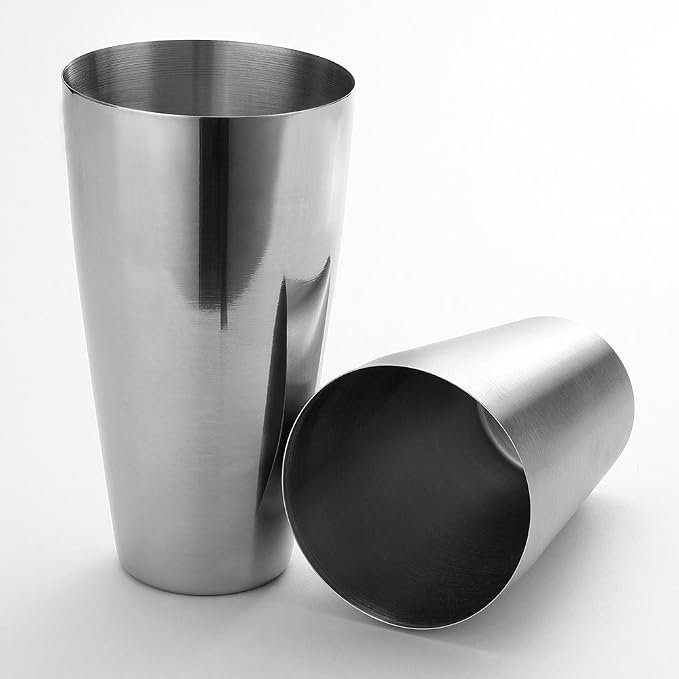
This completely normal shaker will take whatever you throw at it and last for decades. The one I’m using is probably 15 years old and still going strong. There is no reason to get anything more expensive unless you’re trying to be fancy.
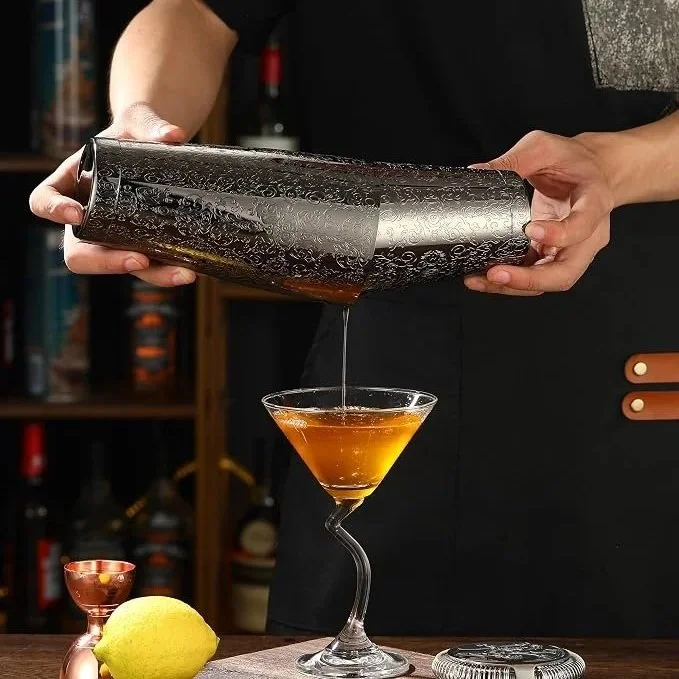
Okay, so sometimes you do want to be a little fancy. Or you’re getting someone a gift. The only modification to the classic shaker that I support are the ‘etched’ versions. They are literally the same tool, just with fancy etchings and different color coatings. They are pretty cool looking and not that much more expensive than the regular tool.
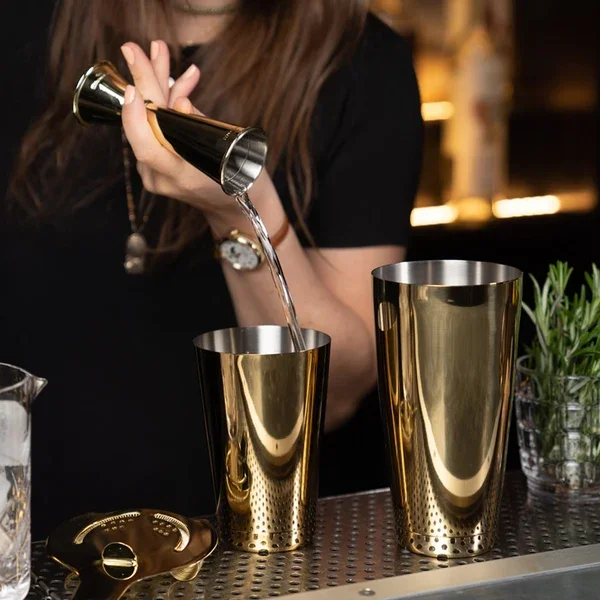
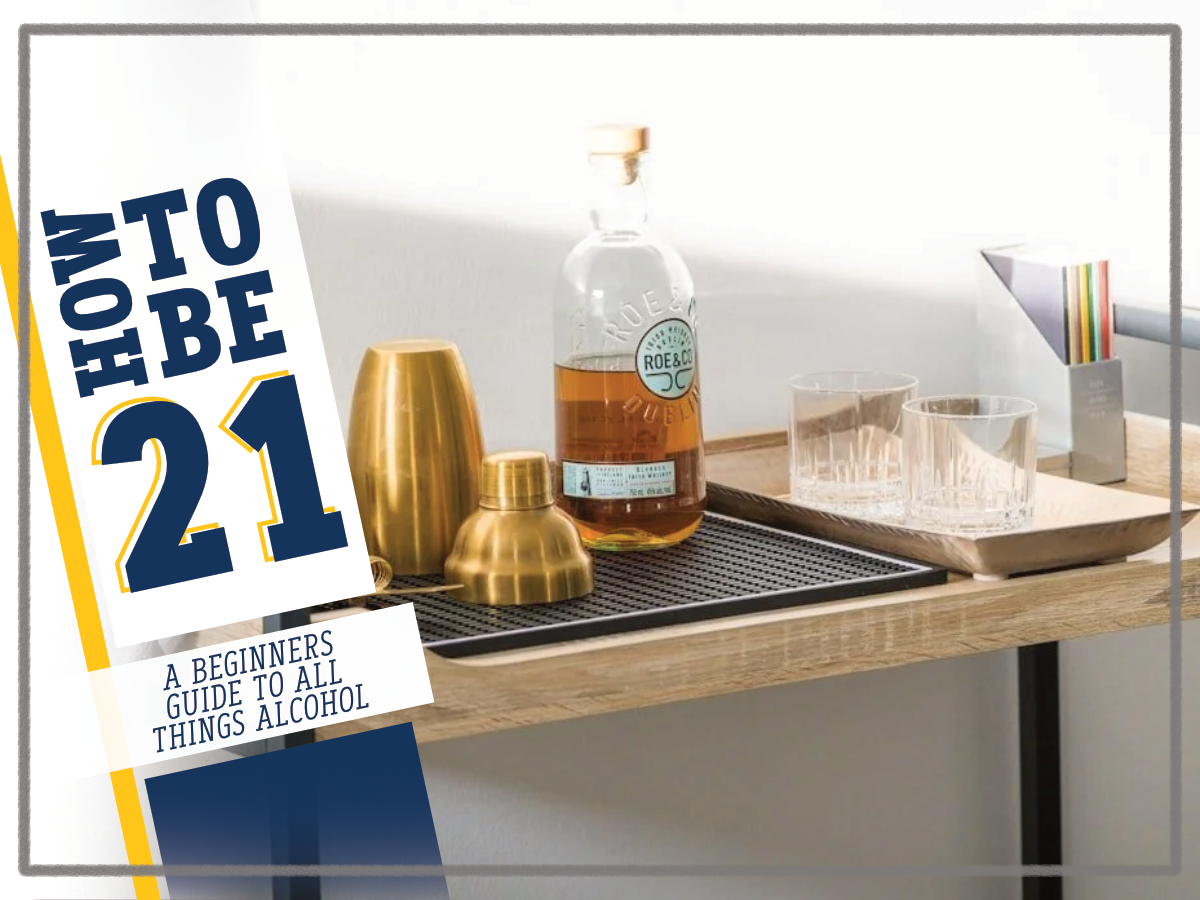
There is no reason to spend over $30 on a shaker. It’s 100% just to show that you have the money to. The ones pictured are gold plated and about $80. That’s crazy. The company, Cocktail Kingdom, is however the main provider for fancy cocktail artists and bars. Sometimes ludicrously expensive is part of the gig. You though? You should absolutely not get anything like this. It will not make your drink taste better and you’ll be mad when it gets stolen or lost in a move.
For every category in this list, they will have a much fancier, more expensive version. Those also don’t work any better than the cheap ones, they’re just more expensive.
Strainer
Once you’ve shaken the drink, you’ll have to get it out into whatever you are serving it in. That’s the strainers job. It keeps the old ice and whatever bits are left inside the shaker so that only the good stuff gets into the glass. This can be done in two stages. If you only have ice, one step will do. If you have lots of little bits or you don’t want ice chips in the drink (for aesthetic reasons), employ stage 2. There is a third type of strainer called the Julep Strainer. It’s a very specific tool that you don’t need in the average bar. You can read more about it in this post about what not to buy for your home bar.
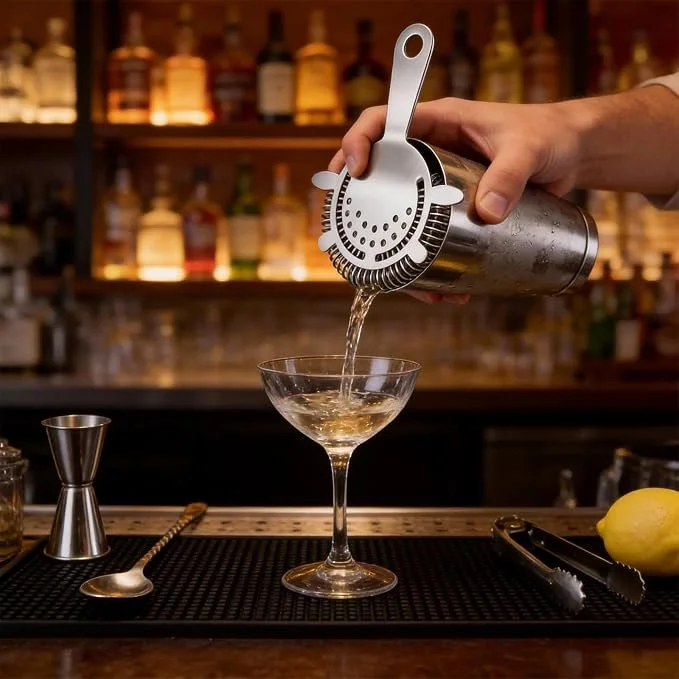
Stage 1:
The Hawthorne Strainer - $5-10
Easy to use and fits on shakers as well as mixing glasses! As long as you don’t play with the springs too much, this bad boy will last at least 5 years of heavy use.
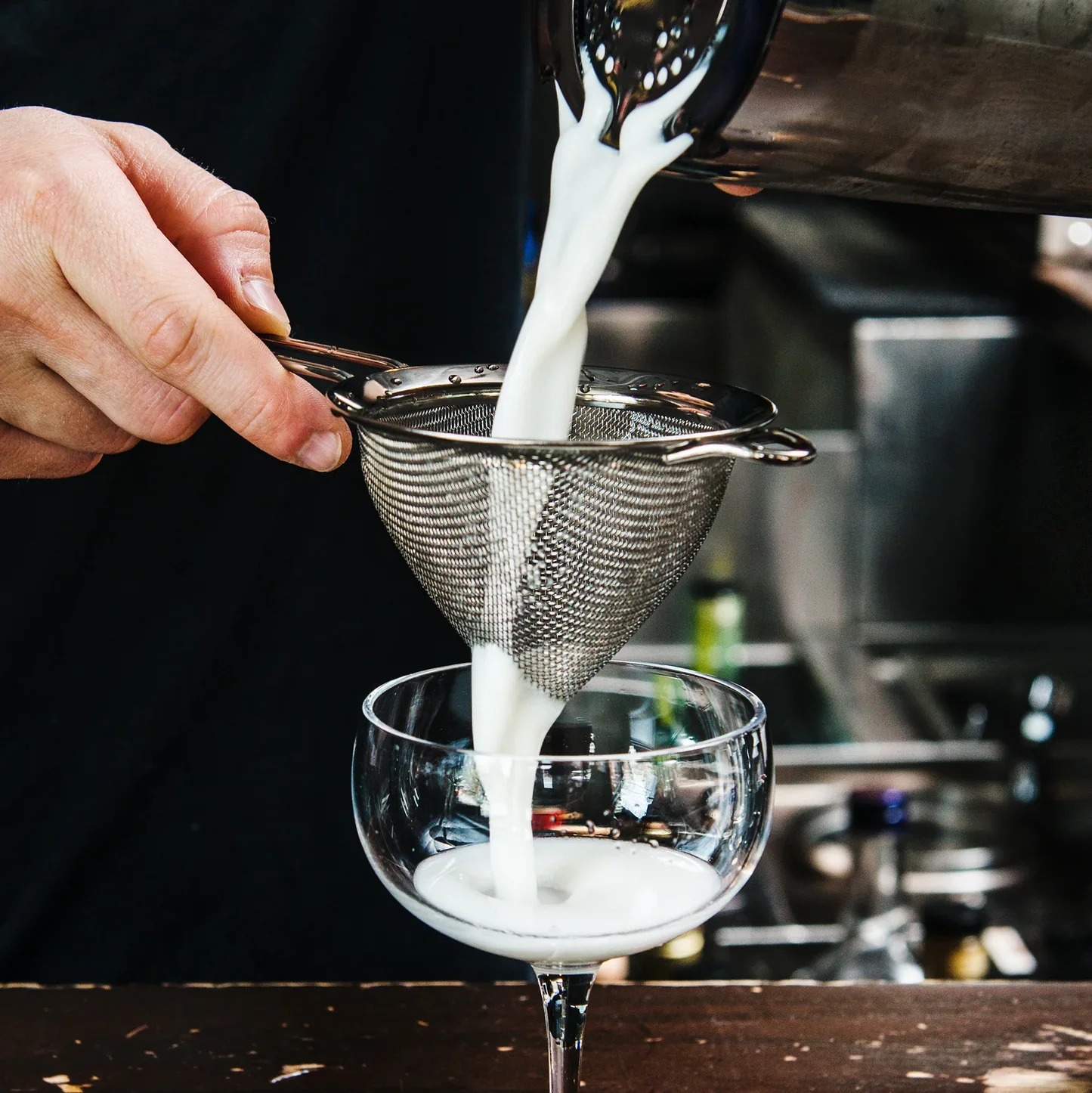
Stage 2:
Mesh Cocktail Strainer - $5-10
I cannot make this clear enough, you use both strainers at the same time. The mesh strainer is also a very handy kitchen tool. I lose mine every few years, so when I get replacements, I get a set of 3 fine strainers and use the bigger ones for cooking and making homemade simple syrups.
Bar Spoon & Mixing Glass
The Mixing glass is more for fancy cocktails like Martinis and Manhattans and I honestly think you could get by just fine without it. But, the Bar Spoon and/or Mixing Glass can also be pretty handy tools for the kitchen. I use my bar spoon at least once a week, if not more, for iced tea and other times where a long, skinny utensil can be useful.

The Mixing Glass - $15-20
Good for stirring things in. Also good for pouring things out of. That covers a surprising amount of activities in the kitchen.
As with all glass, there are fancier versions available but wait for someone else to buy it for you as a gift. If you’re getting one for yourself, stick with mister reliable here.
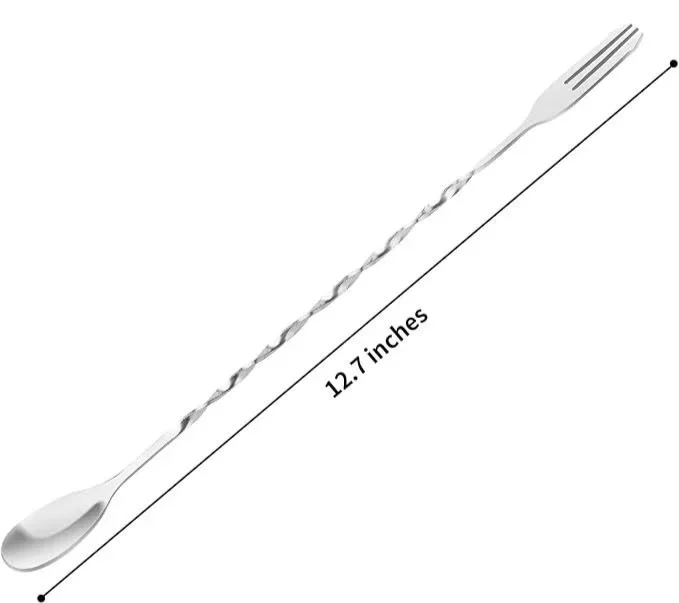
Are there prettier bar spoons? Absolutely. It’s one of capitalisms favorite tools to dress up. But I always go for the one with the little fork on the end. Don’t go fishing for stuff at the bottom of a pitcher, just spear it and move on.
Any ‘bar spoon’ under 12 inches is stupid garbage and I don’t want it. It’s only job is to be the longest spoon in the house, what is even the point to an 8 inch spoon?
Jigger
Funny name, vital tool. At least, if you want to know how much you’re drinking. Do I use a jigger when I’m making drinks at home? No, absolutely not. But I’ve also been pouring for 15 years and I know how to eyeball volumes. My drinks at home may have 4 oz but that’s because I meant to. You probably don’t have any idea what 2 oz looks like.
For people who are just starting out drinking, I recommend using the jigger so that you can keep track of your drinking more accurately. When you say you had “2 drinks”, people think that means about 4 ounces of liquor. If your two drinks were half a cup of vodka and a few ounces of cranberry juice, that’s a very different story for your body.
It’s also a vital tool for making actual cocktails. When you’re just doing a liquor and mixer, you are just mixing to taste and you can put however much you like. When you’re making a cocktail, you need to know exactly how much of Ingredient A you used, because you need to use exactly half that amount of Ingredient B (or whatever it is you’re doing).
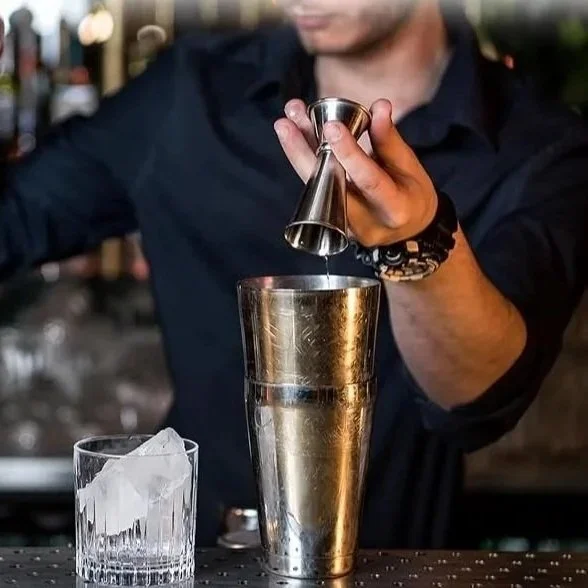
Jiggers come in sets of two typically. The smaller is 0.5 and 1 oz, the larger is 1 and 2 ounces. There are a few other shapes and styles of jigger that are more accurate, but for beginners I recommend these ones. They are the ones your average bartender will be handling.
Peeler
This is one you should have for your home as well. At the very least, in addition to fruits, you will probably want to peel potatoes or carrots at some point.
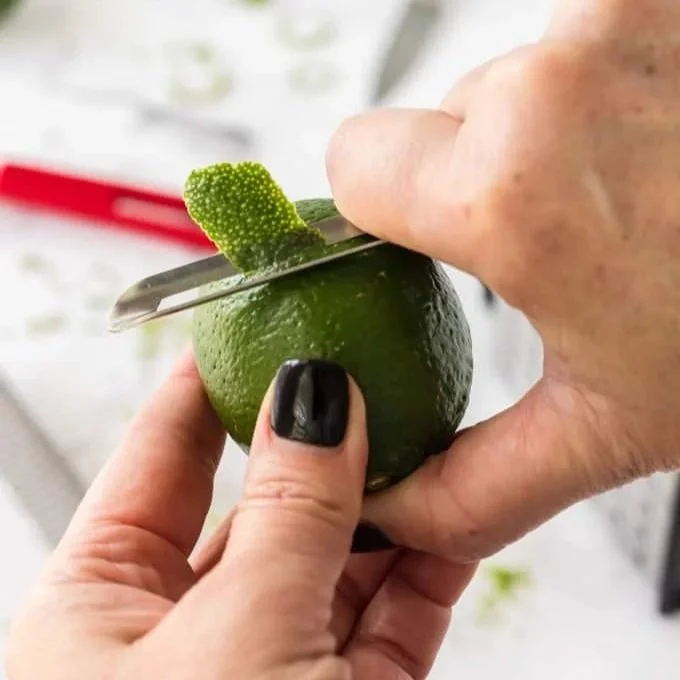
A Good, Long Lasting Peeler - $5-15
I prefer the side style but you should get whichever one feels best to you. Don’t bother having a dedicated cocktail peeler versus food peeler. Limes are food.
Juicer
Another handy kitchen tool! Not a big, fancy electronic juicer, you’ll only be doing a few lemons and limes at a time. Those are, by the way, the only juices I recommend doing at home. Everything else? You’re better off buying high quality juice from the store. Or low quality, if you’re on that college budget.
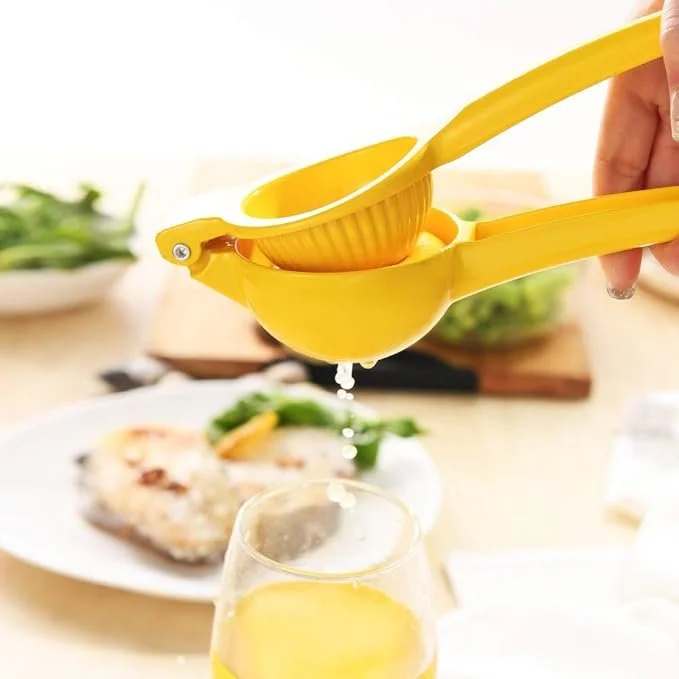
You can find a lemon squeezer for $10 but they are cheap and easy to break. Spend a few extra dollars and spring for a juicer that you will still be able to use 10 years from now. Also, in my opinion, the yellow ones keep juice stains.
Wine Bottle Opener
Please do not grab anything that has ‘wings’. They are literally the most difficult wine bottle opener and they also do a terrible job. I also advise against the mechanical ones as well. They can also really tear up the cork, so only use them if you have physical disabilities with your hands that make the real tool too difficult to use.
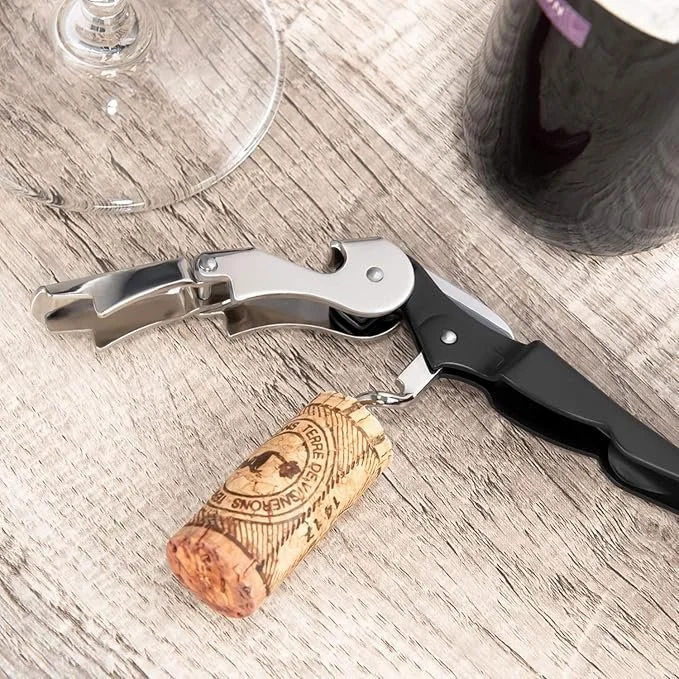
Also called a waiters corkscrew, this bad boy does it all Cut any metal seal with the knife, screw it in, and use the arm to get leverage against the lip of the bottle. Once you get the hang of it, you’ll hate all other wine openers just as much as I do.
5 More Cool Tools for At Home Bartending
So now you know everything you NEED. But there’s so many more tools! You’ve seen them all over! Check out this post here for 5 more reasonably priced tools that are really cool and useful for at home bartending.
That’s it for us today! If you want to learn more, check out the blog posts below or head over to Patreon for exclusive content and the ability to send me questions and ideas for posts! Keep an eye out for How to Be 21, to be published in 2027!
Keep Learning Below